This is the 3rd post in a series on the Curse of Knowledge and its implications for teaching practice. The first is here, and the

hypotheses
This is the 3rd post in a series on the Curse of Knowledge and its implications for teaching practice. The first is here, and the
Originally posted on Peer Reviewed Education Blog:
Photo by Markus Spiske on Pexels.com With the publication of a neuroscience paper on recall and memory we…

This is a series of posts discussing examples of the Curse of Knowledge in instructional design, a phenomenon characterised by the unintended omission of information
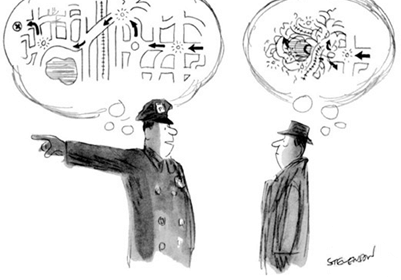
A type of cognitive bias, the curse of knowledge is essentially characterised by omitting certain information when interacting with another because you assume that what

Bias comes in many forms, and each can be equally as debilitating if it is present when evaluating the world around us. It is useful
Richard Meyer’s Multi-media Principles are of enormous importance to instructional design. Based on Sweller’s cognitive load theory, and Paivio’s subsequent dual coding theory, as the
 LEARNING DESIGN by Paul G Moss